Switches Sockets & Circuit Breakers Guide — BushPak
Learn how switches, sockets, and circuit breakers work and ensure electrical safety in your home.
3/10/20263 min read
Introduction
Every homeowner requires to get knowledge of the basics of their home’s electrical system before problems start and risk safety hazards. Many people only observe problems when power misfunction or breakers trip suddenly, creating inconvenience and concern. Learning how switches, sockets, and circuit breakers are connected promotes both safety and comfort around the home.
This guide provides clear answers of key matters in residential wiring systems, together with electrical panels, outlets, and protective devices homeowners experience daily. With practical awareness of how circuit breakers provide safety against overloads and how sockets and switches work , you’ll realize more confidence in controlling common electrical issues.
By knowing this homeowner's attentive investigation, you’ll get a solid foundation in electrical basics, safety tips, and when to contact experienced professionals. These insights assist you to stop common hazards and maintain your electrical setup with confidence and peace of mind.
Electrical System Components
Electricity manages your home, but some understand how electrical switches and sockets , along with circuit breakers, run together safely and effectively. These devices are critical parts of your electrical system that control, distribute, and save your power supply. For many homeowners, grasping the device's work can restrict frustration and hazards.
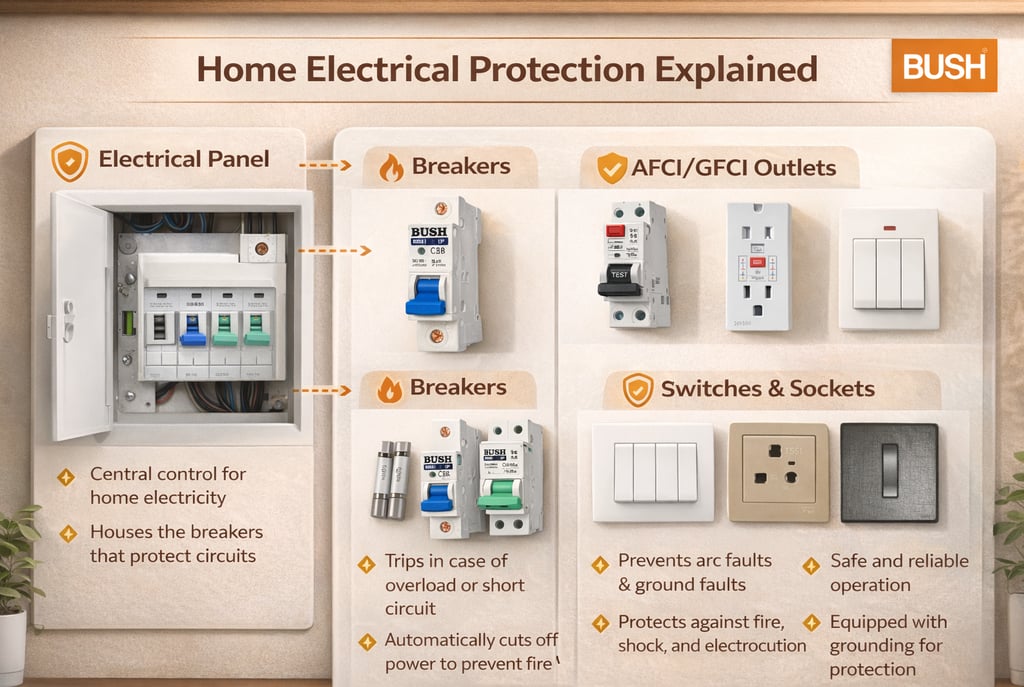
Every house has an electrical service panel that supplies power from the utility company.
Interior this panel, breakers or fuses control circuits feeding into outlets and switches all over your home.
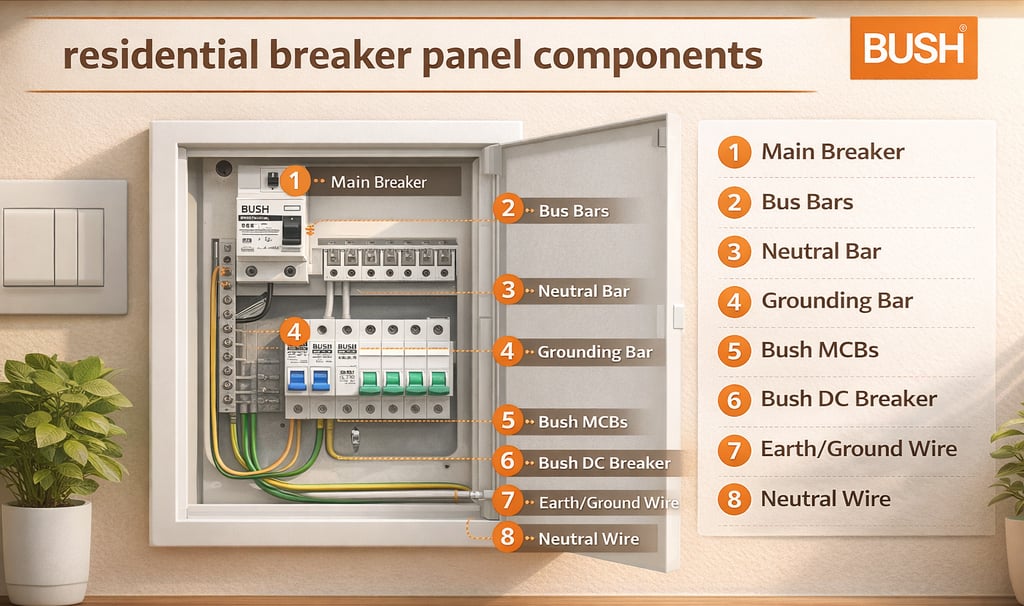
Electrical Service Panels
Service panels are metal cabinets that contain your main breaker and branch circuit breakers.
They get power from the utility, distribute it into circuits, and save those circuits from overloads and shorts.
The main breaker manages overall power flow, and individual breakers feed different rooms or appliances.
Switches: Purpose & Types
Switches are manual control appliances that turn lights and devices on or off at a point.
They are simple electromechanical units but come in many types — from basic light switches to smart controls.
selecting quality switches rated for your region’s voltage makes sure safety and long life.
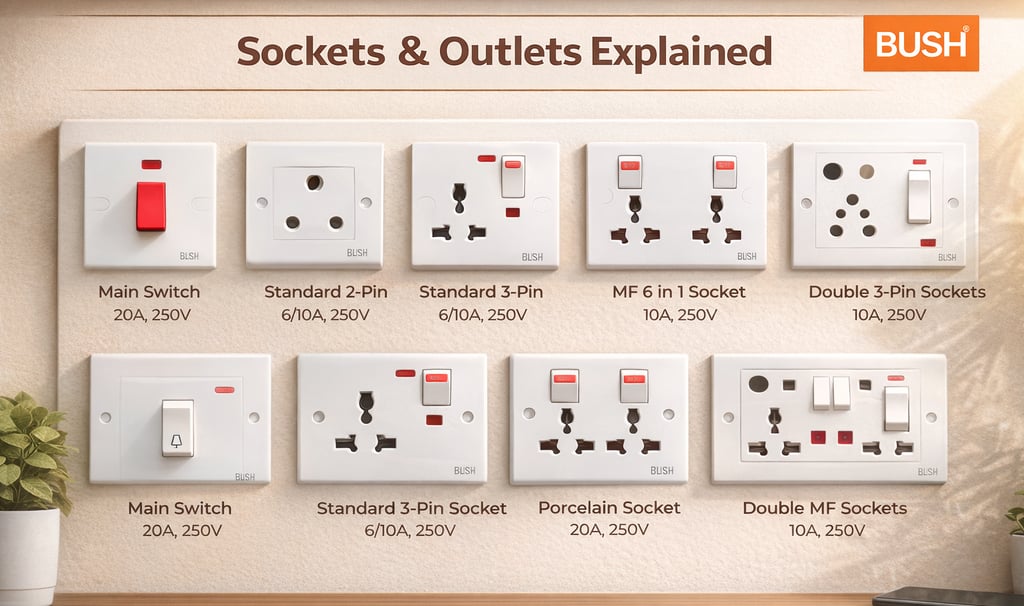
Sockets & Outlets Explained
Sockets are receptacles that give electrical access for appliances and devices.
They must be compatible with your home’s voltage and current standard to keep away from overload issues. Socket ratings and terminal quality influence reliability.
Circuit Breakers:
A circuit breaker is a protective switch that ceases current flow when electrical faults occur.
Unlike fuses, breakers can be revived without replacement after they trip.
Types of Circuit Breakers
Circuit breakers differ by application — from miniature breakers for general circuits to more robust units for heavy loads.
Specialized Circuit breakers like GFCIs and AFCIs provide safety against shocks and arc faults.
How Circuit Breakers Work
Breakers observe current flow; when overloads or shorts occur, they trip and interrupt power.
Thermal and magnetic elements within the device identify threatening conditions in milliseconds and disconnect power.
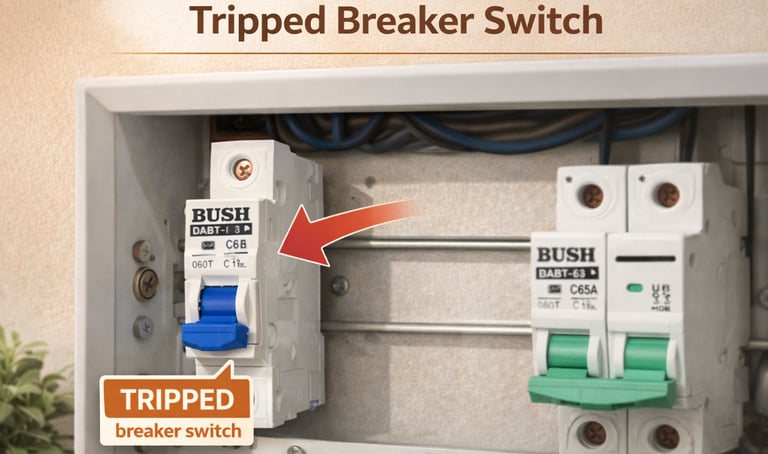
Resetting & Troubleshooting Breakers
After a breaker trips, disconnect appliances on that circuit, then switch the breaker fully off before restoration. Repeated tripping may depict overloaded circuits, wiring faults, or appliance problems.
Safety Devices (AFCIs + GFCIs)
AFCIs stop fires by identifying arcing faults, while GFCIs save from electrical shock by detecting outflow currents to ground.
These Safety Devices are increasingly needed by electrical codes in key areas.
Common Electrical Issues Homeowners Face
Problems like fluctuating lights, hot outlets, or tripping breakers can point to overloads or wiring issues.
Regular checks and professional inspections assist to prevent dangerous hazards.
When to Call a Professional
If issues occur frequently or wiring seems dangerous, consult a licensed electrician. Complecated faults or outdated panels require expert diagnosis and repair.
Conclusion
Understanding the electrical devices that power your home assists you stay safe and prepared. If problems like tripping breakers or damaged sockets uninterrupted exist , consider contacting a certified electrician or an electrical services provider for inspection and repairs.
Ready to make sure your home’s electrical safety? Explore expert-selected switches, sockets, and breakers on BushPak today.
FAQs:
What is the difference between a circuit breaker and a switch?
A switch diverts and controls power to a device, while a circuit breaker protects the circuit from overloads and short circuits.
How do I readjust a tripped breaker safely?
Turn off connected devices, turn the breaker fully to OFF, then switch it back to ON.
What are the general types of home electrical sockets?
Common socket types are two-pin, three-pin, grounded, and USB-integrated outlets.
Why does a circuit breaker keep tripping frequently?
Recurrent tripping often shows circuit overload, faulty wiring, or a defective device.
When should I call an electrician for electrical problems?
Hire an electrician when breakers trip frequently , outlets feel hot, or fault in wiring is suspected.